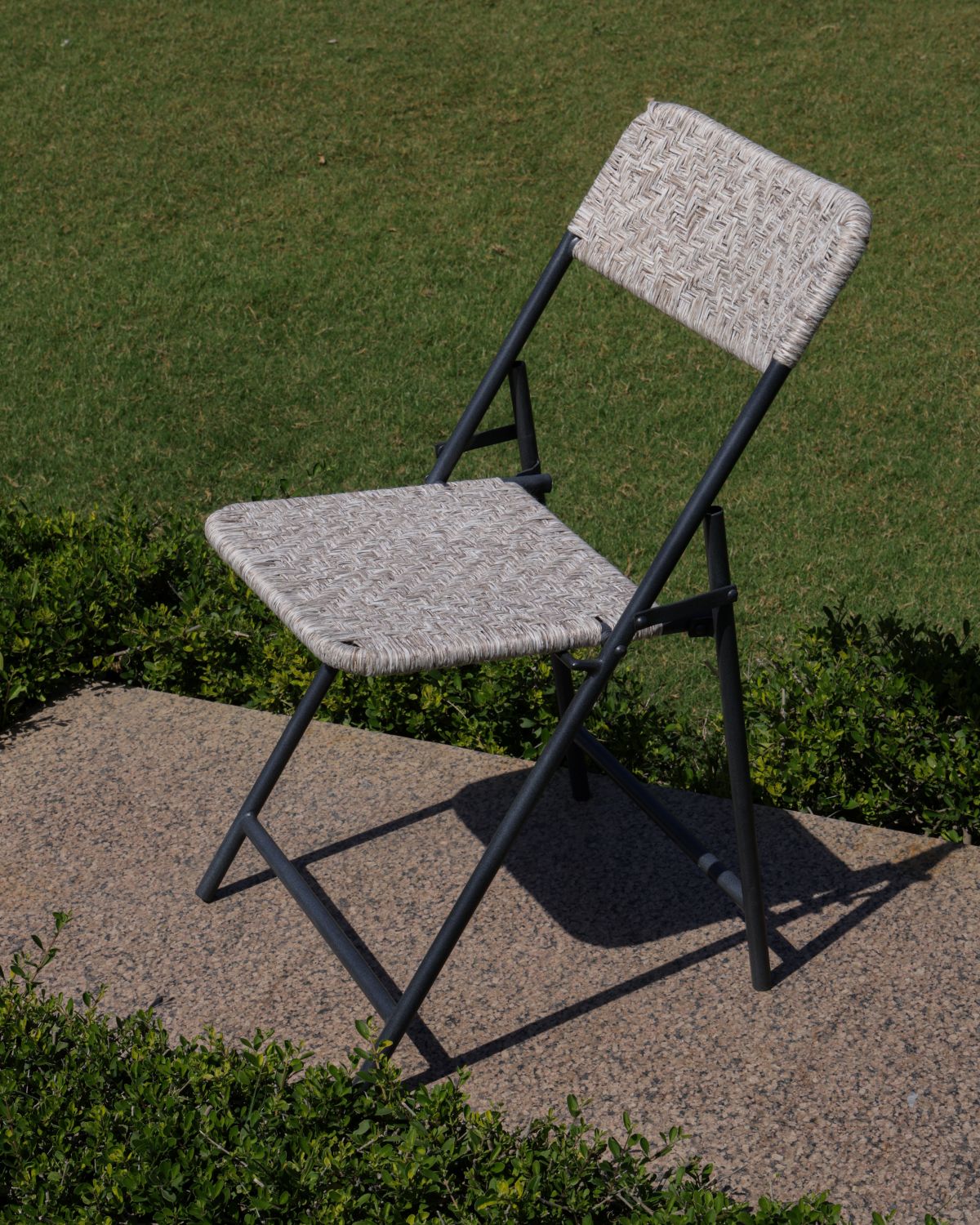
From the workshops of Bagru
Every piece PATYO makes starts as raw fibre and ends as furniture — somewhere in between, artisans in Bagru spend hours twisting, weaving and stringing it by hand. That's not a process detail. That's the product.
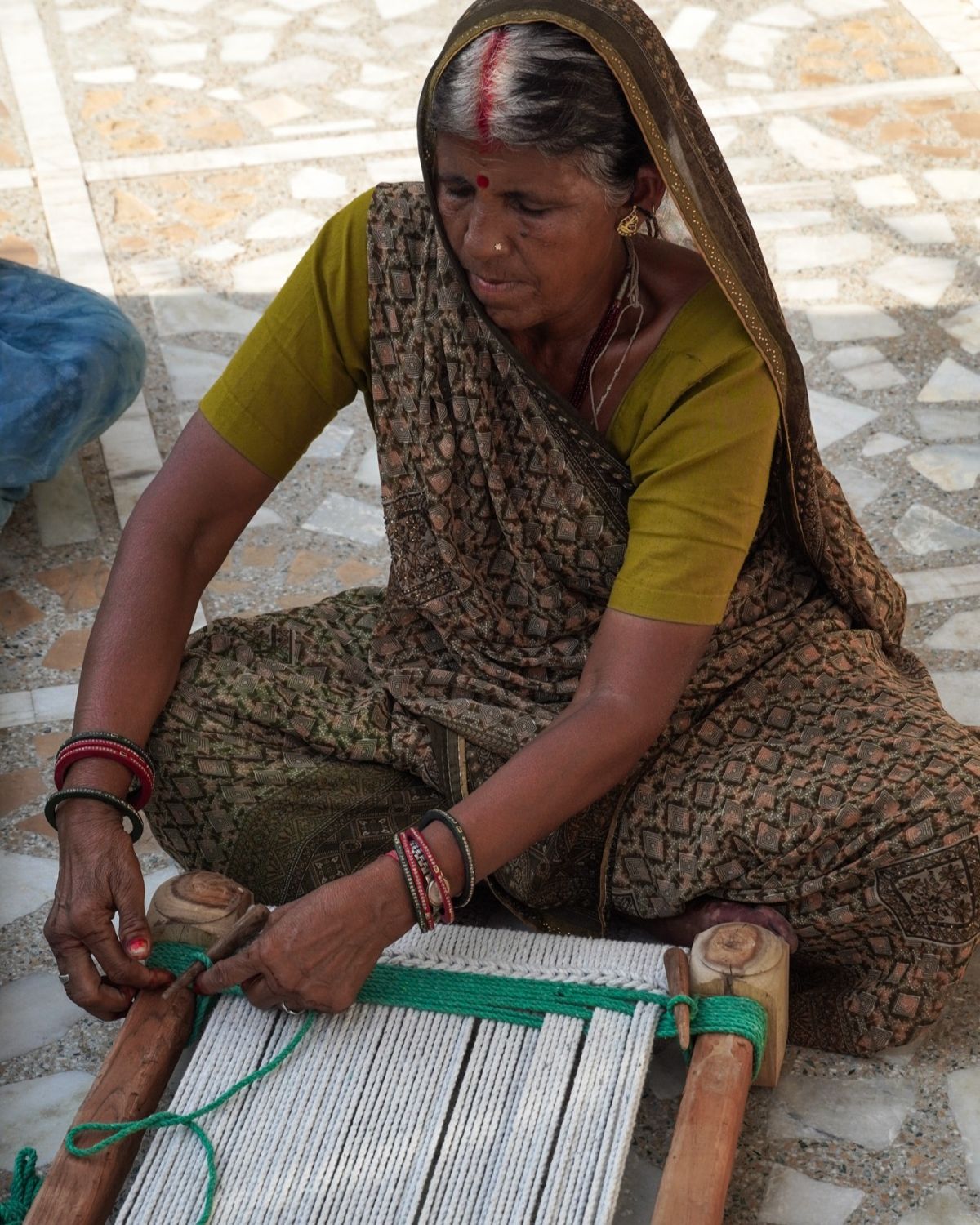
Bagru is a small town in Rajasthan known for its block-printing and textile traditions. It sits at the intersection of natural fibre, iron forging, and skilled handwork — making it one of the few places where a piece like ours can be made entirely within a few kilometres.
When PATYO was built, the decision to make in Bagru wasn't just logistical. It was about what that decision meant for the people and the craft already there.
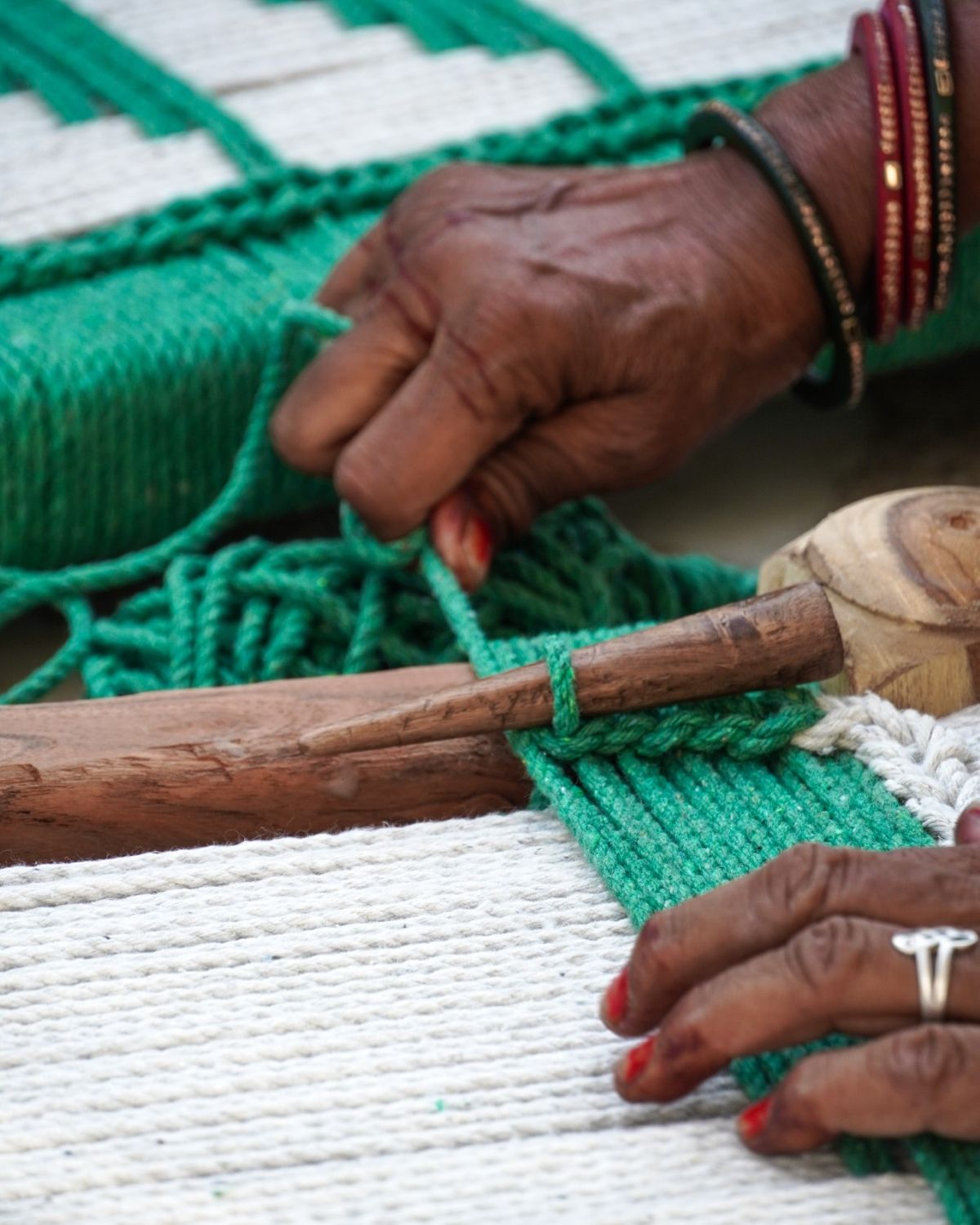
Our production draws on two distinct crafts: bending and welding wrought iron for the frames, and weaving the natural fibres for the surface. The fibres are woven directly onto the wrought iron frame — the structure and the surface are one object. These aren't one person — they're workshops, family businesses, and individual craftspeople, each specialising in what they do.
PATYO works directly with these artisans — not through intermediaries — and structures work so that the labour and its recognition stay where the skill is.
Wrought iron rods are bent, welded and powder-coated in Bagru. Each frame is hand-formed to a template — the foundation every surface is woven onto.
Jute, hyacinth, seagrass and recycled yarn are sorted, cut and prepared for weaving or twisting.
Artisans weave or twist each surface by hand — seat, back, arms — directly onto the frame. No moulds, no shortcuts.
Edges are secured, surfaces checked, and each piece inspected before packing for dispatch.
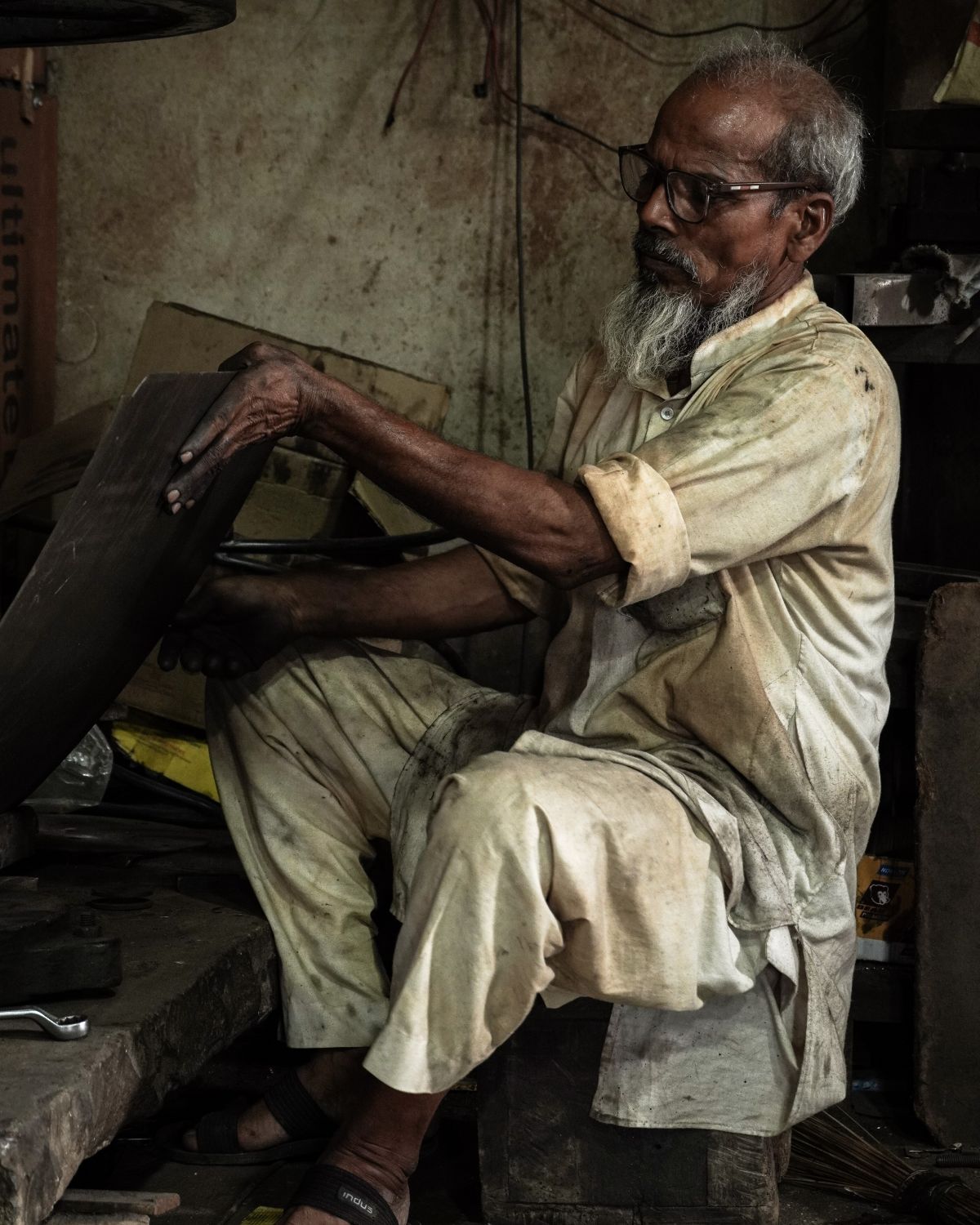
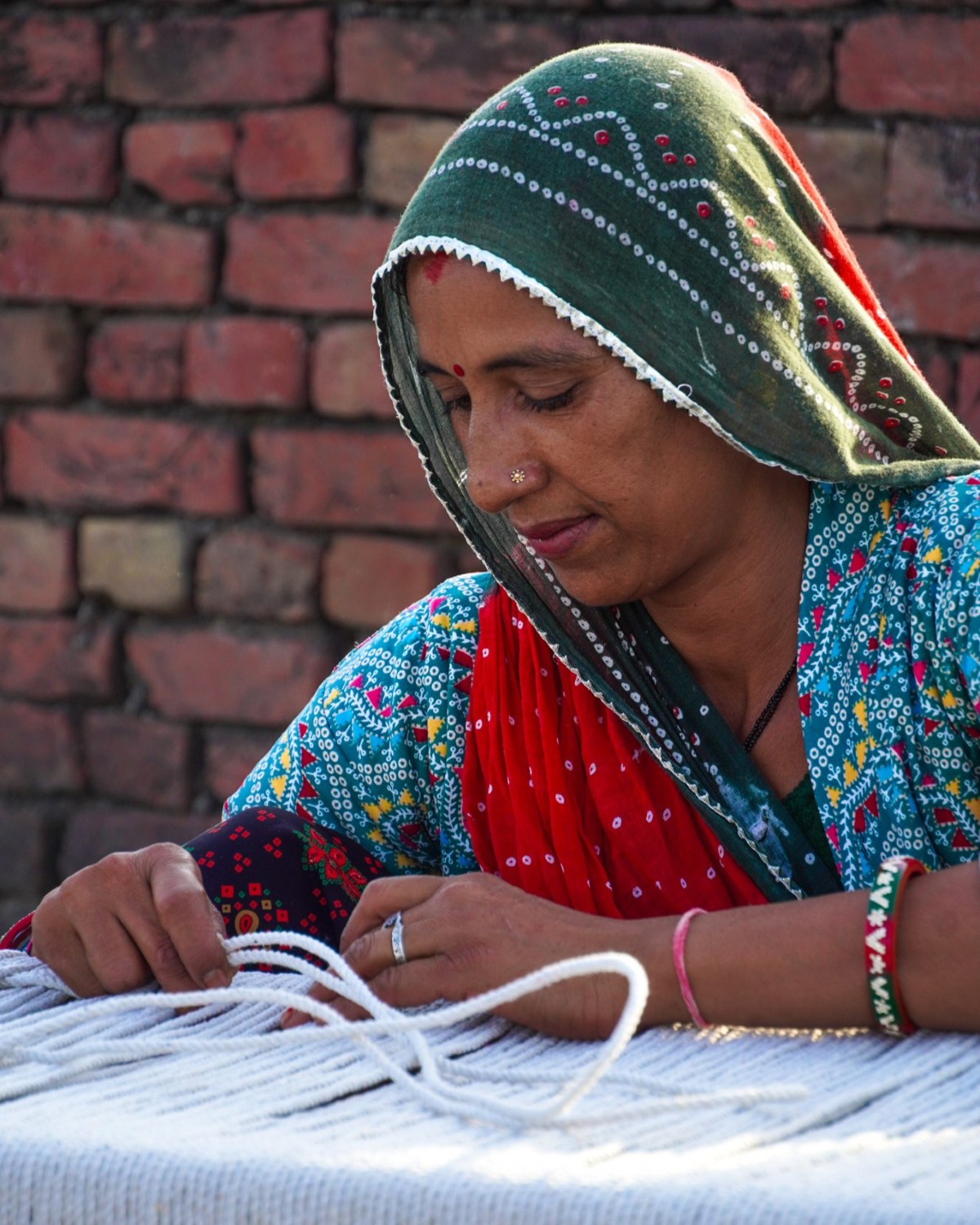
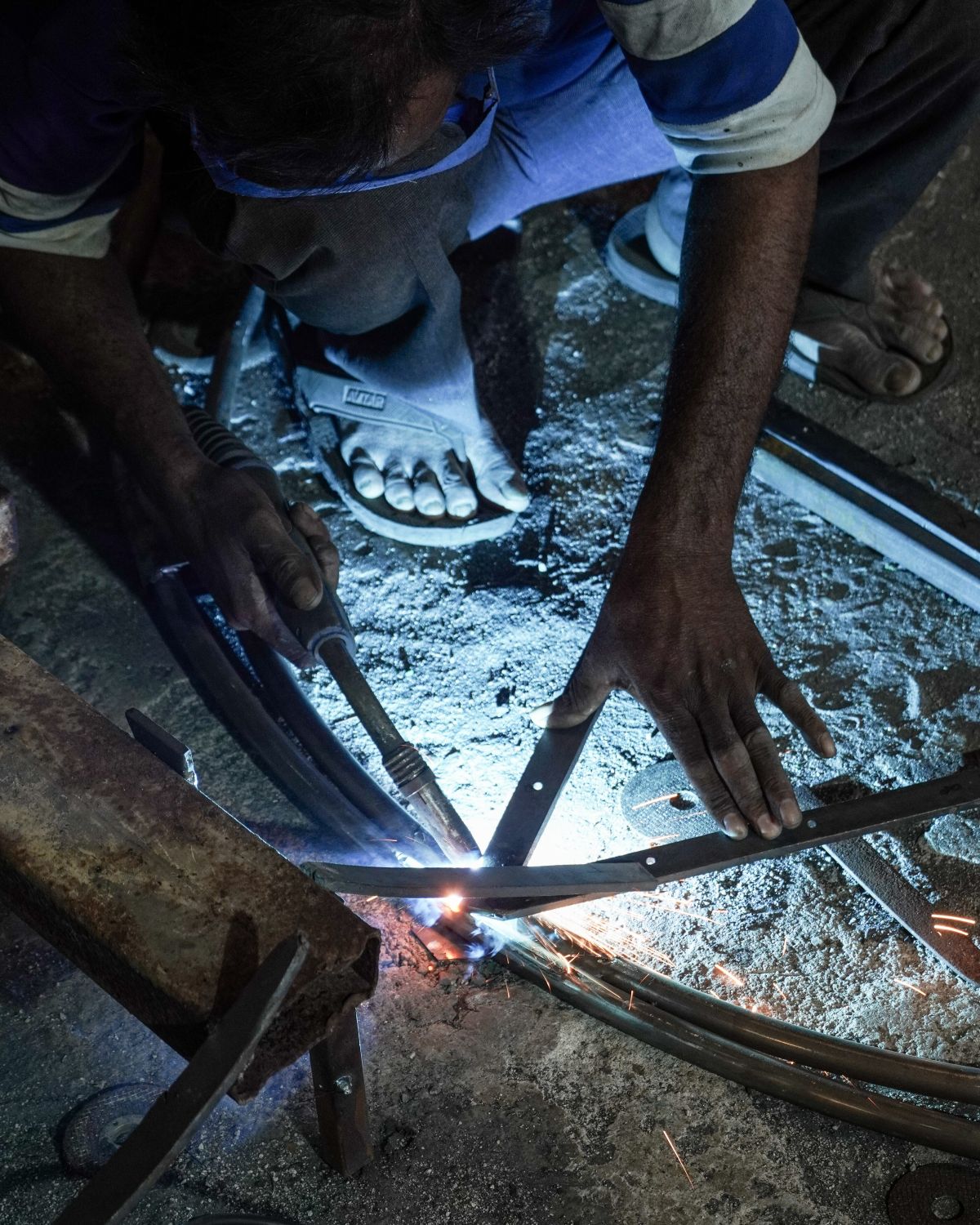
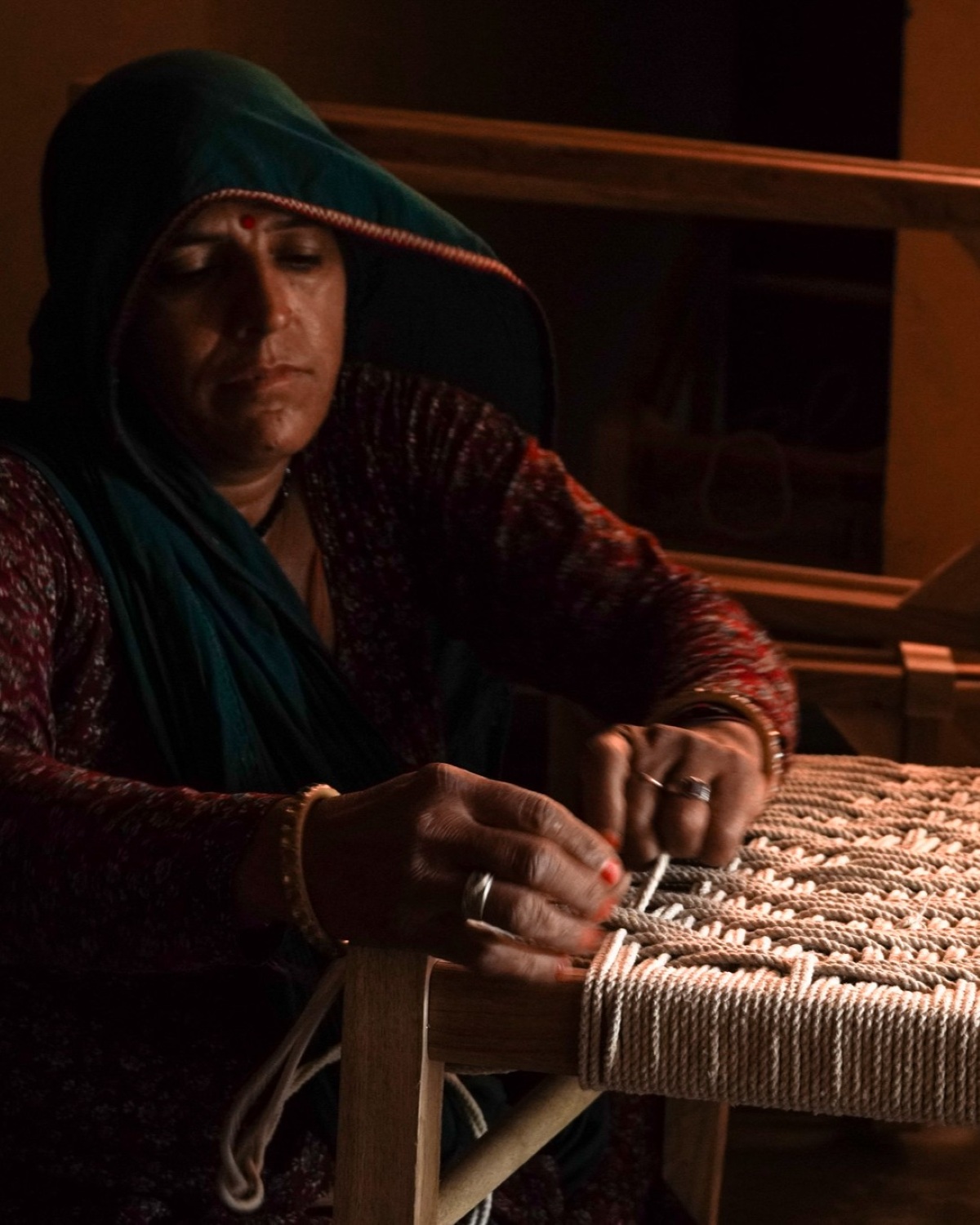
Structure & surface — the two crafts of Bagru
Every piece carries 10–12 hours of skilled handwork. See the full collection.