Seating · Hand-twisted jute · Flat-pack
The Sutli Chair
₹13,500
Free shipping across India · International delivery calculated at checkout
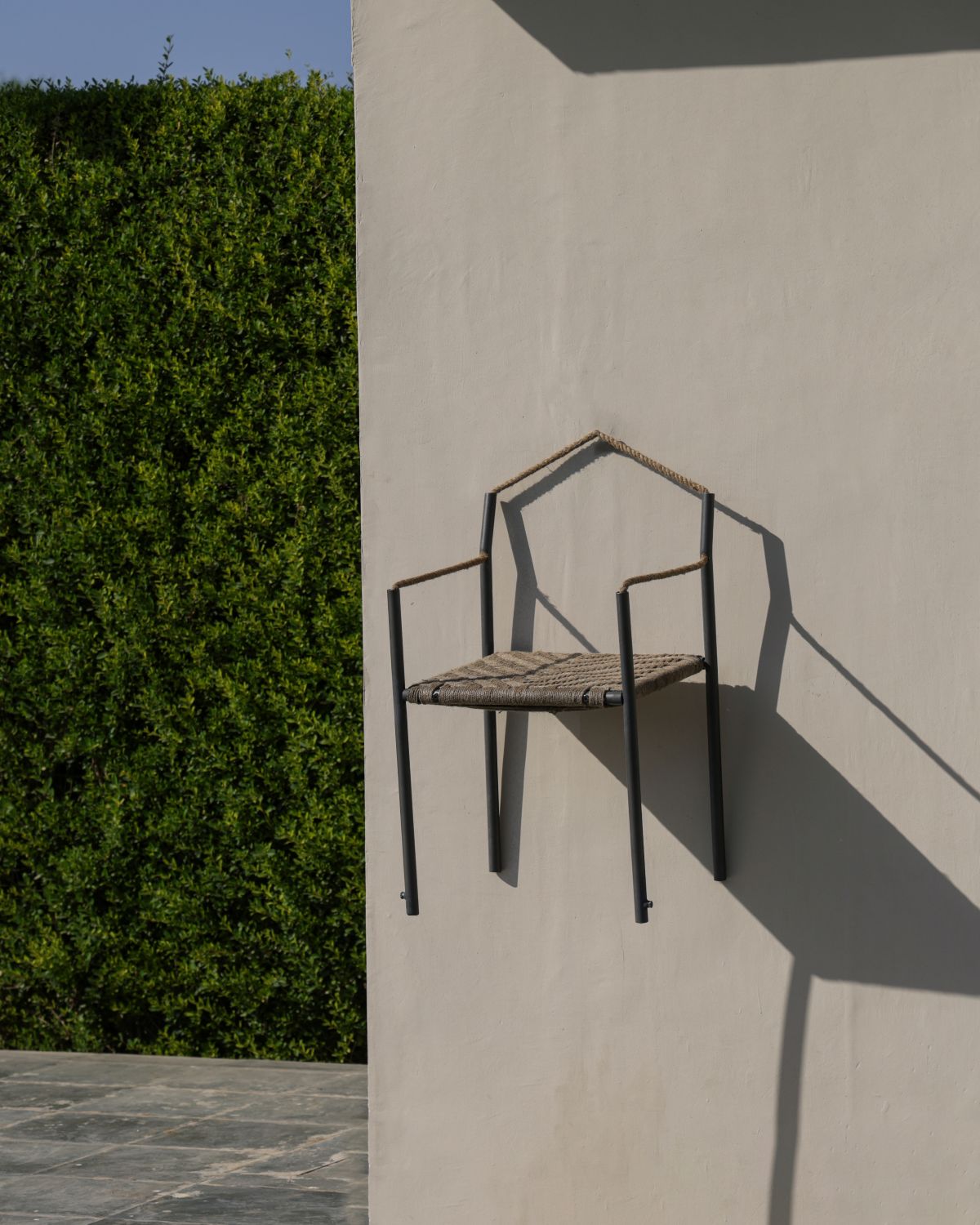
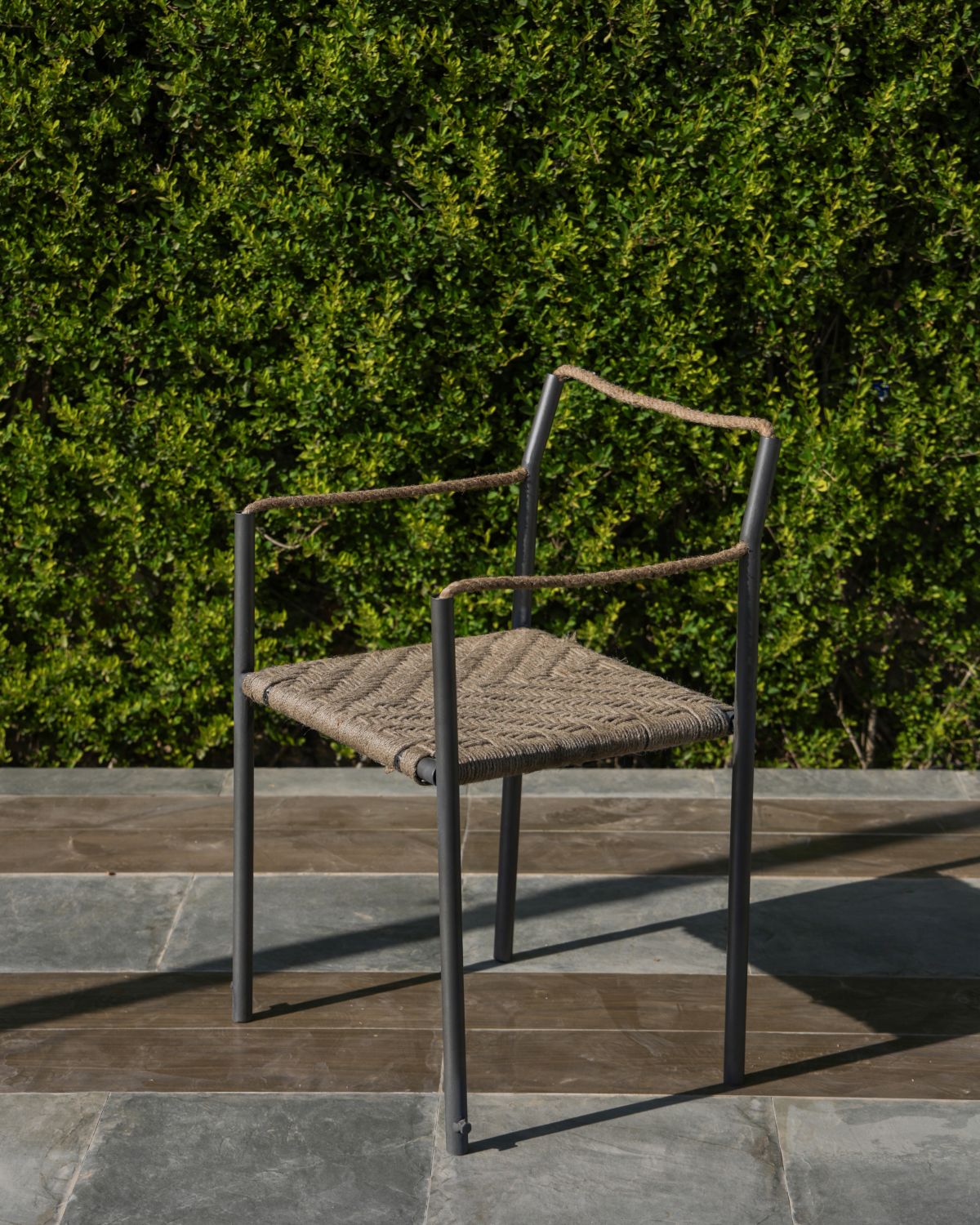
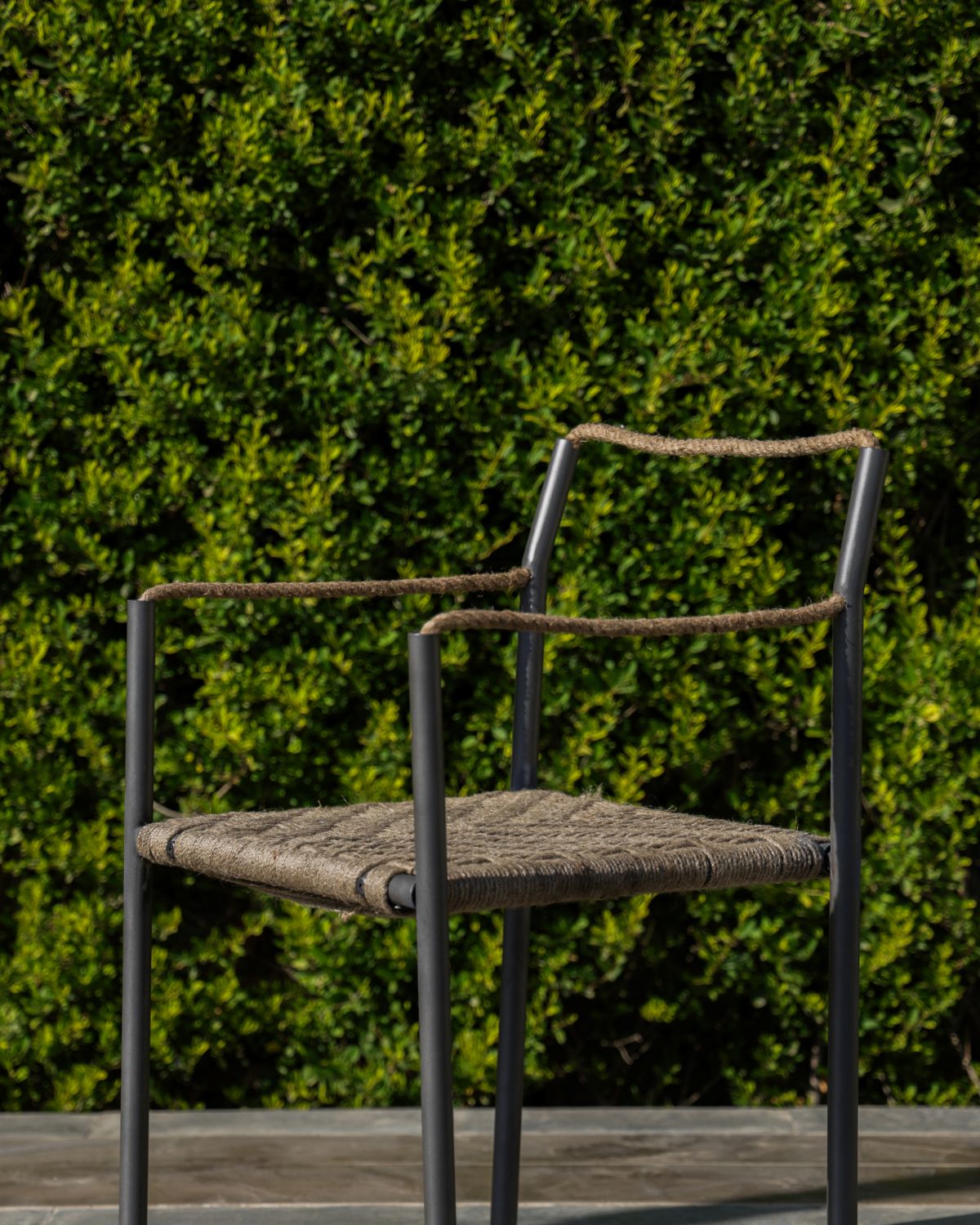
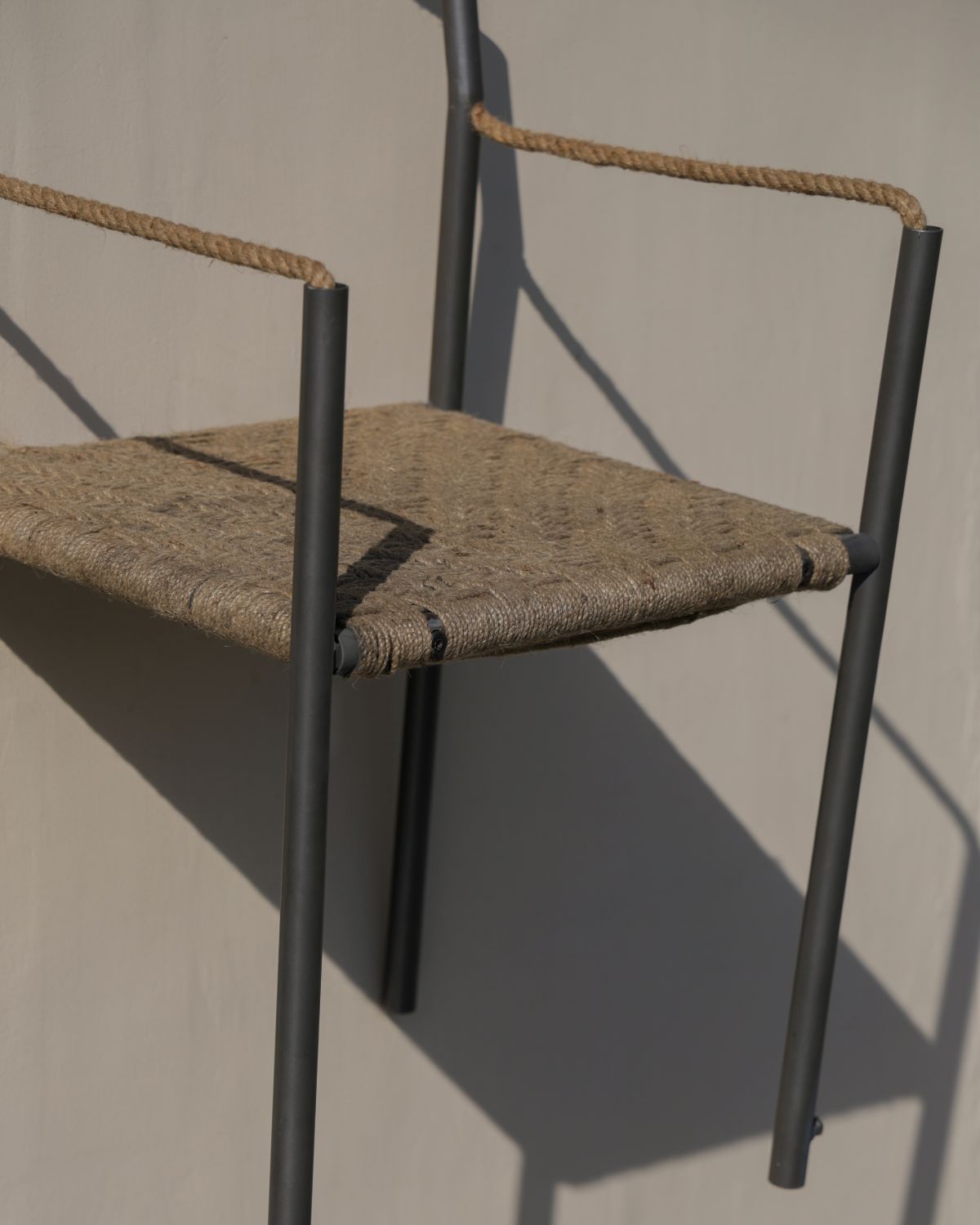
In the workshops of Bagru, a single rope of hand-twisted jute runs through this chair's wrought iron frame — becoming the armrest, the backrest, and the quiet detail that holds the whole piece together. It arrives flat-packed with screws and an allen key, and hangs neatly from the wall when the room needs its space back.
Jute rope
0
Assembly
Fully flat-packed
Storage
Wall-hang
Hand-Twisted Jute Rope
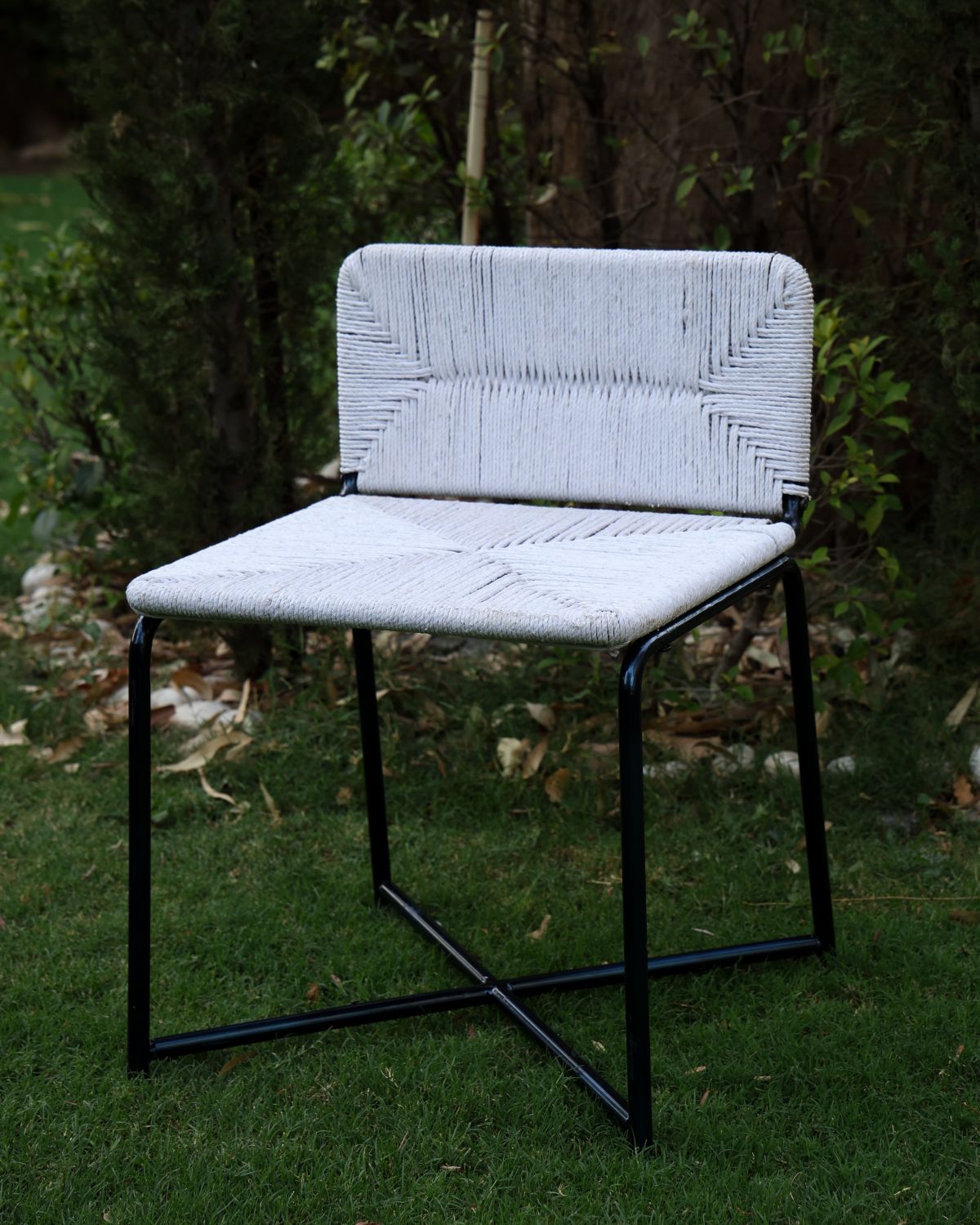
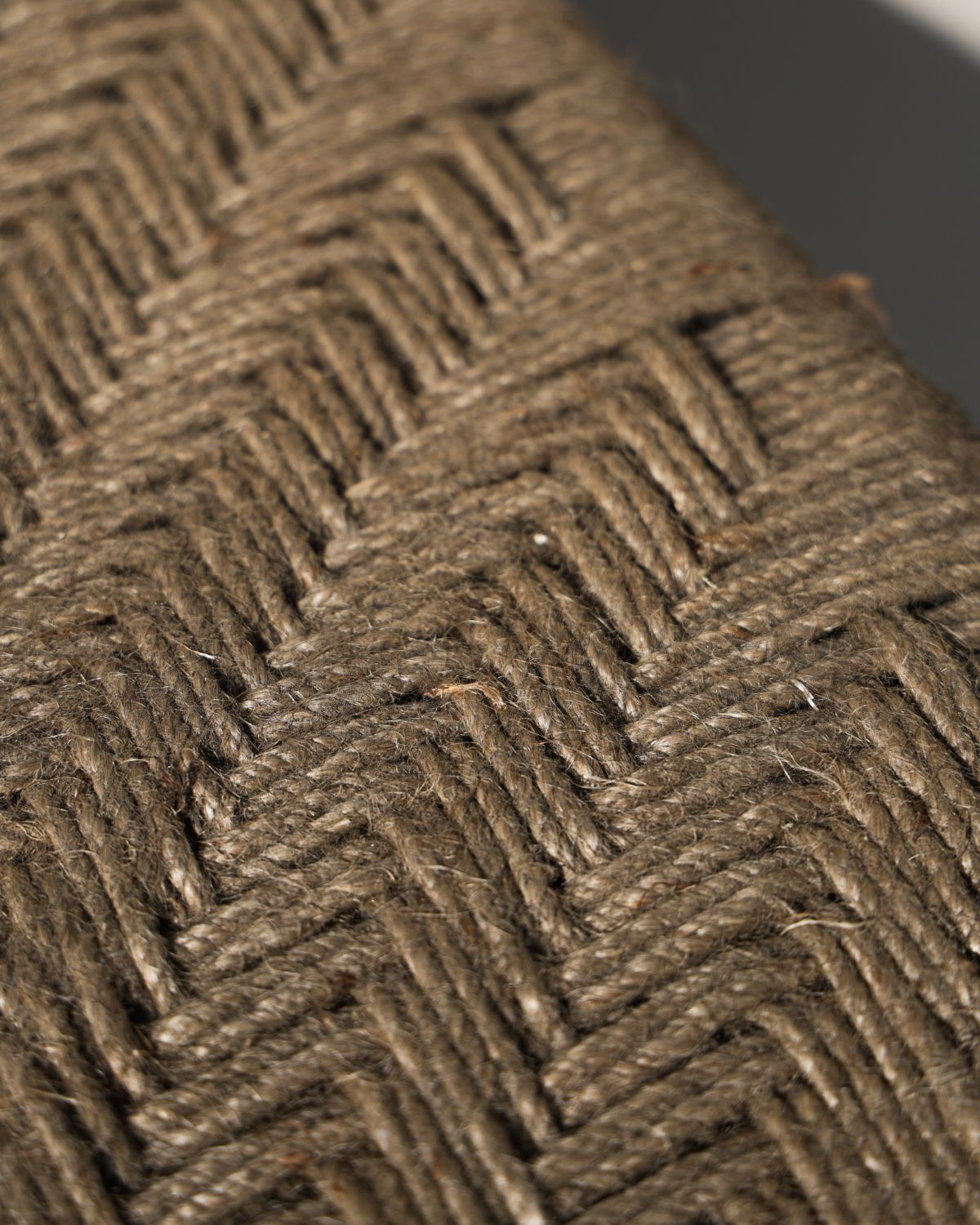
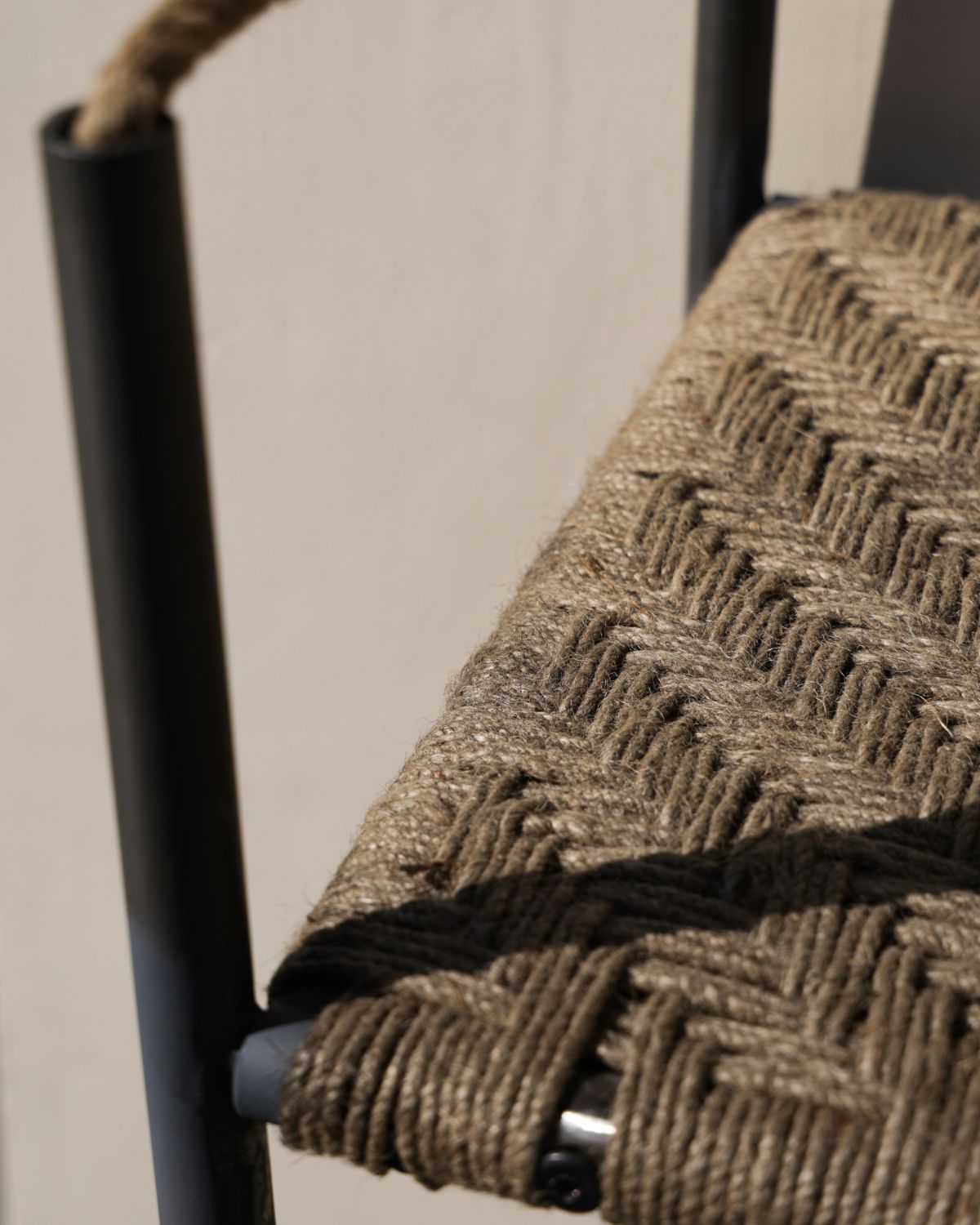
A single continuous rope, twisted by hand in Bagru, threaded across a silicon-coated iron frame. Hand herringbone woven jute seat.
Also available for outdoor use — the same design can be made with upcycled recycled plastic yarn in place of jute, making it fully weather-resistant. Ask us about this option.
Dimensions & materials +
- Dimensions
- 53 × 43 × 78 cm
- Shipping CBM
- 0.18 m³
- Frame
- Silicon-coated wrought iron
- Rope
- Hand-twisted jute rope
- Seat
- Hand herringbone woven jute
- Assembly
- Fully knockdown · screws + allen key included
- Storage
- Wall-hang option
Features +
- Silicon-coated wrought iron frame
- Hand-twisted jute rope
- Hand herringbone woven jute seat
- Fully knockdown
- Wall-hang storage
Care & use +
Best suited for covered outdoor or indoor spaces. Jute is a natural fibre — keep away from prolonged moisture and direct rain. Wipe the iron frame dry if wet. The wall-hang bracket is included. For fully weather-resistant use, ask us about the recycled plastic yarn variant.
Shipping & delivery +
Free shipping across India, 5–9 working days. Ships flat-packed in a compact box. International freight calculated at checkout.
The Sutli story +
Sutli means rope in Hindi — and one rope does everything here. It is twisted by hand from raw jute in Bagru, then run through a silicon-coated wrought iron frame that serves as the chair's skeleton. The rope becomes the armrest, the backrest, and the structure of the herringbone-woven seat — the whole piece held together by a single, continuous thread. It flat-packs with screws and an allen key, and hangs cleanly from the wall between uses. The same chair can be made with recycled plastic yarn for outdoor use — the structure and craft remain identical.